hello@marmofiber.com +20 000 000 0000

Cairo, Egypt — Deko Egypt manufacturing group.

Request a Sample
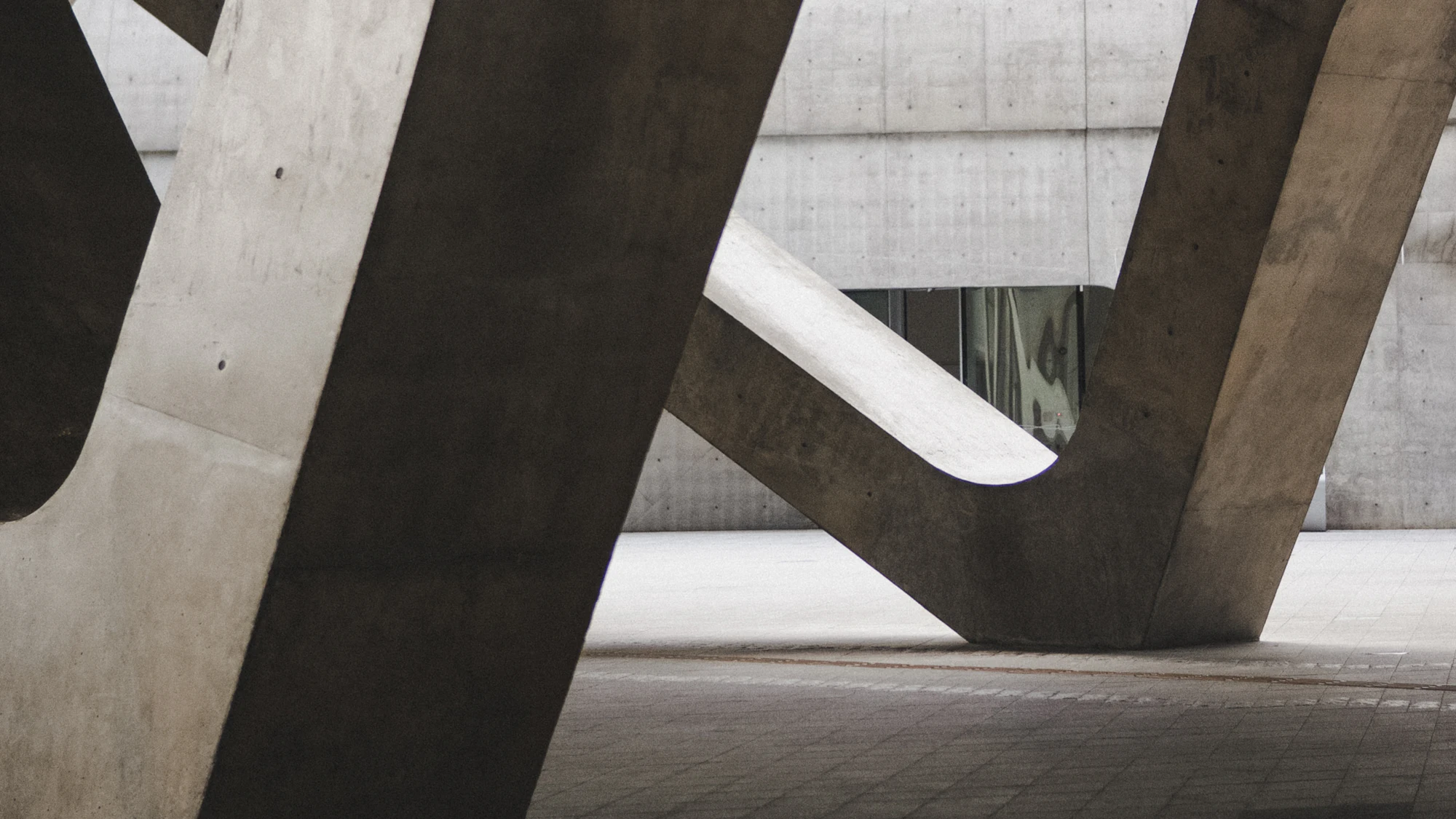
Cast concrete structural frame meeting a shaded soffit

What Is MarmoFiber?

MarmoFiber is an engineered architectural material that combines marble-inspired mineral character with fiber reinforcement and controlled manufacturing.

01 — Material Overview

The emotional value of stone, with room to be engineered.

It is developed for architects and designers seeking the emotional value of stone together with greater flexibility in surface, texture, form, repetition, and application.

Where solid stone is quarried, cut and fixed within the limits of the block it came from, MarmoFiber is developed as an architectural system: a mineral surface layer with a reinforced body behind it, produced against a defined finish and a defined geometry.

That difference changes what a design team can ask of the surface — how it turns a corner, how it repeats across a façade, how a bespoke element is coordinated with the rest of the package.

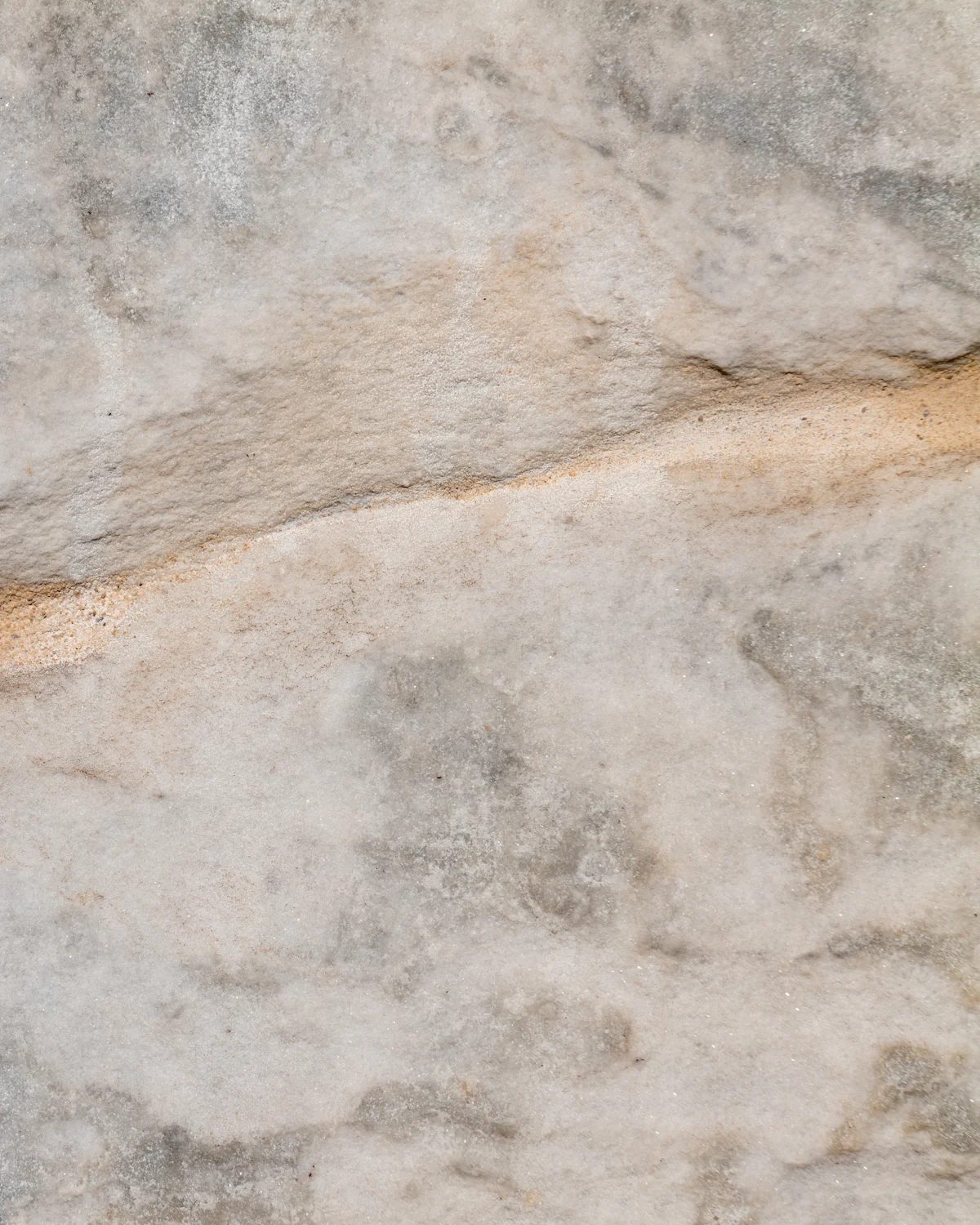
Close view of a fine mineral surface with subtle veining

“The character of marble. The intelligence of fiber.”

01/04 Material

Stage 01

Mineral Character

The visible layer carries the tone, grain and movement of natural stone. Colour, aggregate and surface treatment are developed as a finish family rather than a single tile, so a collection reads consistently across an elevation.

  • Tonal depth
  • Directional movement
  • Controlled repetition

Stage 02

Fiber Reinforcement

Behind the mineral face, fiber reinforcement gives the panel its working strength. It is the reason a MarmoFiber surface can cover architectural spans, be handled on site, and be fixed as a system rather than as loose stone.

  • Reinforced body
  • Handling and fixing
  • System thinking

Stage 03

Controlled Manufacturing

Production happens against approved moulds, mixes and finishing routines. Sampling, approval and batch discipline keep the specified finish and the delivered finish the same thing.

  • Approved moulds
  • Batch discipline
  • Sample to production

Stage 04

Architectural Freedom

Because the geometry is made rather than quarried, the surface is not limited to flat cladding. Reveals, returns, profiles, relief and bespoke elements can be developed with the same material language as the flat panels beside them.

  • Dimensional relief
  • Custom mould development
  • One material language
Warm mineral stone surface with natural movement
Linear shadow bands across a fine concrete plane
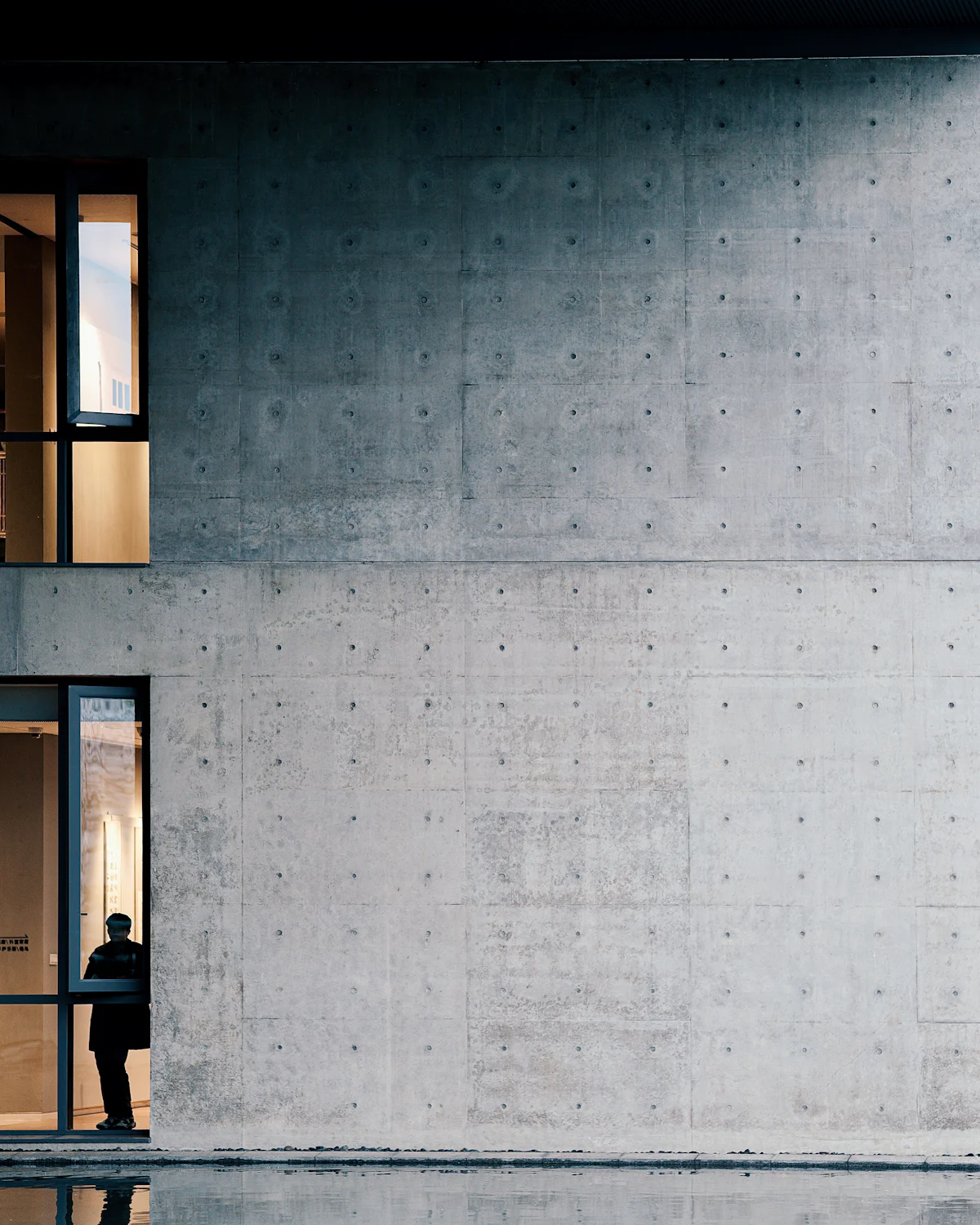
Precisely cast wall plane with regular tie-hole grid
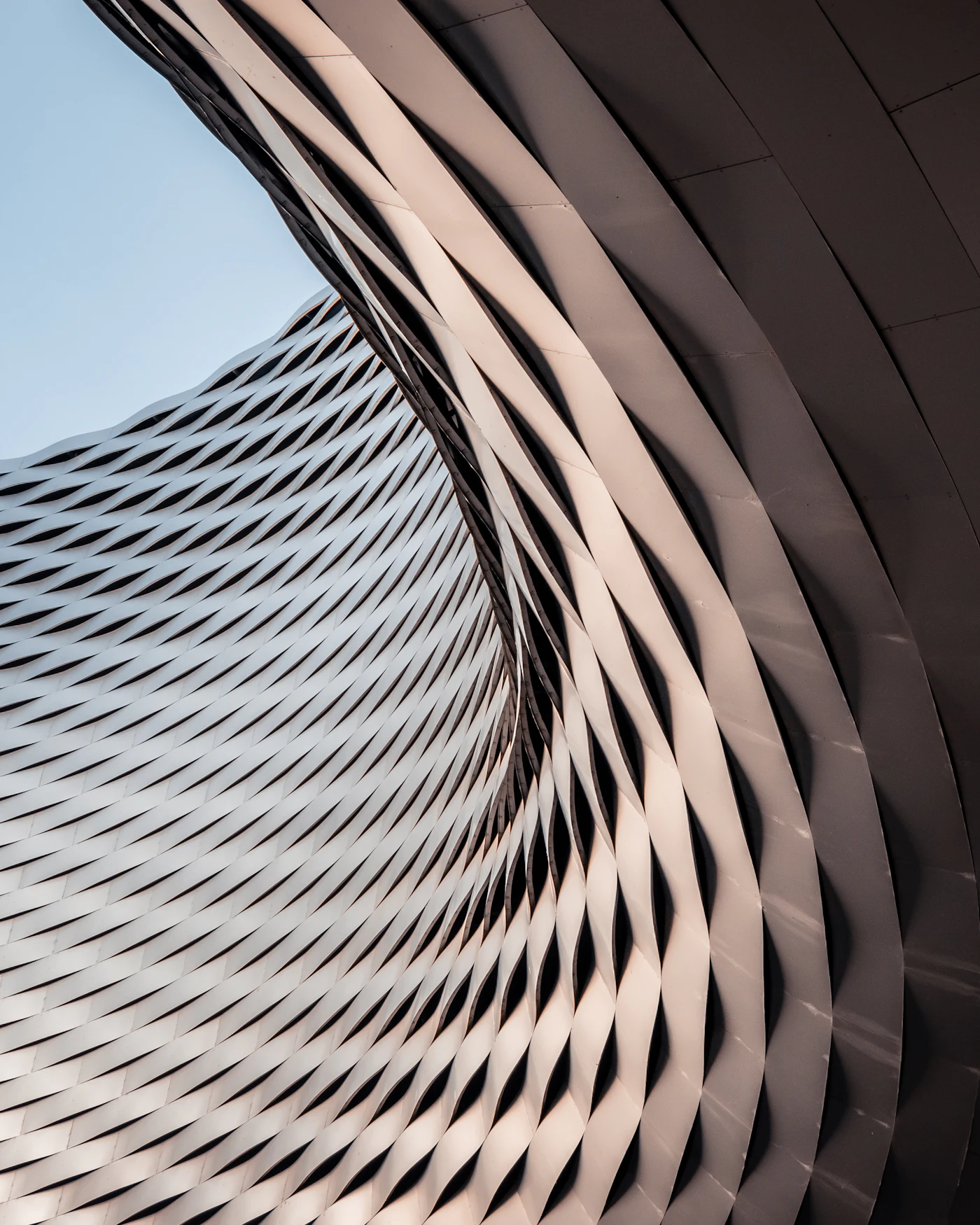
Curved perforated façade skin in mineral tones

06 — Composition

Read as a build-up, not a slab.

Four engineered layers, from the protective coating on the face to the fiber cement that carries the load.

01 02 03 04
01

Protective coating

A polyurethane sealer applied over an epoxy sealer, specified per case of fixation and texture. It carries the UV resistance and the colour retention.

02

Marmo Fiber

The visible layer: natural materials, crushed marble, cement and selected aggregates, with latex, additives and synthetic iron oxide pigments.

03

Face mix / bonding coat

Silica flour, cement and latex — the bond between the Marmo Fiber layer and the GRC layer behind it.

04

Fiber cement layer

Approximately 50% cement and 50% silica with specialized additives, applied by spray-mix GRC machine. This is where the mechanical strength sits.

Diagram shown for design communication. Layer thicknesses, mix design and fixing methods are project-specific and confirmed through the latest approved MarmoFiber technical documents.

01 — Protective Coating

A specialized sealer coating, consisting of polyurethane applied over an epoxy sealer — a type of coating designed upon each case of fixation and texture — is used to preserve the surface appearance and enhance the long-term performance of the material. This coating provides UV resistance, colour retention and reduced water and vapour absorption, helping maintain MarmoFiber's original texture, finish and gloss over an extended period.

The coating can be applied at any stage following the initial installation and fixation, or during maintenance procedures, providing an additional layer of protection throughout the product's service life.

02 — Marmo Fiber

Marmo Fiber is a specially engineered admixture formulated according to the specific requirements of each type of MarmoFiber stone. It incorporates natural materials, crushed marble, cement and selected aggregates to achieve the required texture, dual-colour effect and surface pattern.

Latex and chemical additives are incorporated to enhance the bonding strength between the different layers. In addition, special synthetic iron oxides are used as pigments to provide stable coloration and minimize colour changes caused by prolonged exposure to UV radiation.

03 — Face Mix / Bonding Coat

The face mix, or bonding coat, is composed of silica flour, cement and latex, following a formulation similar to that used in GRC face mixes.

Its primary function is to create a strong, durable and homogeneous bond between the Marmo Fiber layer and the GRC layer, ensuring effective adhesion and long-term integration between the two materials.

04 — Fiber Cement Layer

The fiber cement layer is applied using a spray-mix GRC machine. The mix consists of approximately 50% cement and 50% silica, combined with specialized additives.

This composition is designed to provide the final product with the required mechanical strength and durability, while maintaining mechanical characteristics comparable to conventional GRC (glass reinforced concrete).

As a result, MarmoFiber combines the aesthetic qualities of natural stone with the structural performance and strength of GRC — a product that offers both visual appeal and long-term durability.

07 — Custom Development

When the drawing asks for something that does not exist yet.

Custom development starts from the architectural intent: a profile, a relief, a radius, a repeat. From there the work is mould development, sampling, and agreement on what the finished element should look like in place.

This is where the Deko Egypt background matters most. Bespoke architectural elements are not a special case for us — they are the work.

Discuss a custom element
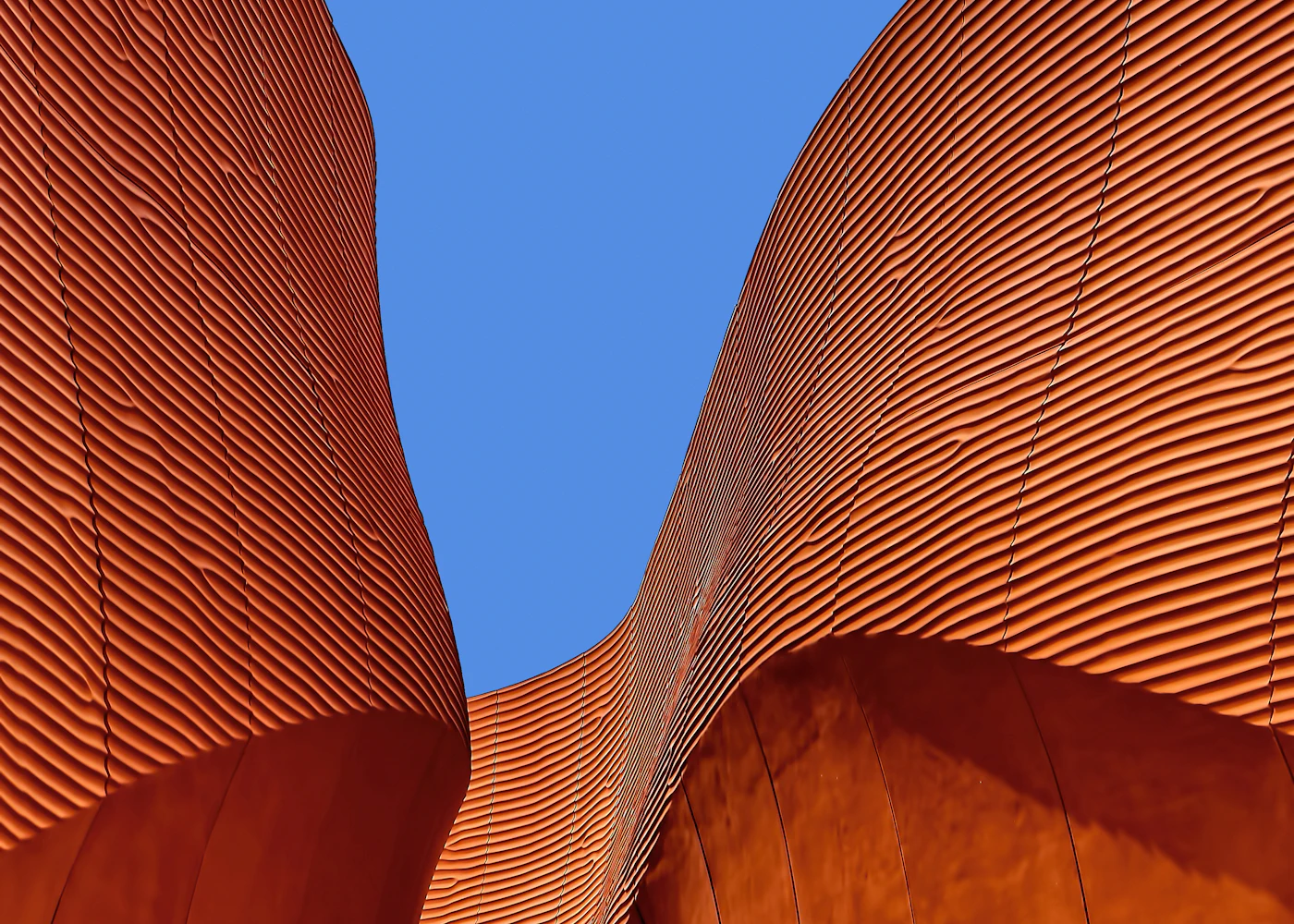
Large sculptural architectural form in a mineral finish

08 — Application-Based Engineering

The same finish, engineered differently for where it lands.

A finish specified on an external elevation and the same finish specified on an interior feature wall are not the same product decision. Exposure, substrate, fixing, panel size, joint strategy and site sequence all change.

MarmoFiber is developed application by application, so the appearance stays consistent while the build-up follows the requirement.

See applications
Clean concrete corner junction with a flush shadow gap

09 — From Concept to Installation

Six steps, from the first conversation to the fixed surface.

01

Design Consultation

We start with the architectural intent — the elevation, the interior, the element — and what the surface has to do within it.

02

Material Selection

Collections and finishes are narrowed against tone, texture, light and the rest of the material palette.

03

Technical Study

Panel strategy, joints, returns, fixing approach and interfaces are studied with the design and site teams.

04

Sampling and Approval

Physical samples — and, where the element requires it, a prototype — are produced and signed off before production.

05

Production

Manufacturing runs against the approved sample, moulds and finishing routine, batch by batch.

06

Delivery and Installation Coordination

Packing, sequencing and site coordination are planned with the installing team so the material arrives in the order the programme needs it.

Technical

Specify with the current documents.

Data sheets, installation guidance, fixing details and finish references are kept together on the technical resources page — and a physical sample is always the better starting point.